Bingah: A Chubby Handwritten Font for Editorial Design
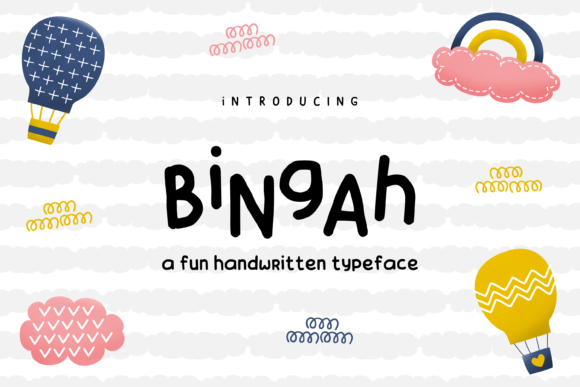
Bingah is a charming handwritten font that brings warmth and personality to editorial design. With its cute and chubby style, it offers a unique visual appeal that can elevate the look of blog headers, magazine covers, and more. As someone who regularly works with fonts for blogs, ebooks, and printable materials, I find Bingah to be a versatile choice that adds a touch of whimsy without compromising readability.
Visual Characteristics and Editorial Appeal
Bingah’s design is reminiscent of a child’s scribble, with soft curves and gentle strokes that convey innocence and approachability. This makes it ideal for content that aims to engage younger audiences or evoke a sense of playfulness. The font has a friendly and inviting feel, which can be especially effective in children’s books, educational materials, or creative projects targeting a family audience.
The personality of Bingah is both playful and elegant, making it suitable for a wide range of editorial applications. Its handwritten nature gives it an organic and personal touch, which can help establish a connection with readers. Whether used for a lifestyle blog, recipe ebook, or wedding guide, Bingah adds a visual element that feels handcrafted and genuine.
Using Bingah in Editorial Layouts
Bingah shines when used for titles, headings, and pull quotes. Its bold and expressive style draws attention, making it perfect for section headers in magazines or chapter openers in ebooks. For instance, using Bingah as the title font for a lifestyle blog can instantly set a warm and welcoming tone. Pairing it with a clean sans serif font for body text ensures readability while maintaining a cohesive visual hierarchy.
In a digital magazine layout, Bingah could serve as the main font for cover text, creating a sense of curiosity and engagement. It also works well for quote graphics, where its charm can highlight key messages or inspirational sayings. When designing a printable planner or worksheet, Bingah can add a fun and interactive element that encourages user participation.
For a coaching workbook or digital course, Bingah can be used in chapter headings or activity prompts, helping to maintain a consistent brand identity throughout the publication. Its ability to blend playfulness with professionalism makes it a great choice for content that needs to be both engaging and informative.
Readability and Practical Considerations
While Bingah is best suited for display purposes, it’s important to consider its readability in different formats. On screen, it performs well at larger sizes, making it suitable for headlines and subheadings in web articles or newsletters. However, it may not be the best choice for long-form reading due to its irregular spacing and character shapes. For body copy, pairing it with a more legible serif or sans serif font is recommended.
When exporting content to PDF or print, ensure that the font is embedded correctly to avoid any rendering issues. Testing the font across various devices and screen sizes will help maintain consistency in mobile layouts and desktop views. Additionally, checking for available styles, ligatures, and multilingual support can enhance its versatility for global publications.
Font Pairing and Brand Identity
One of the strengths of Bingah is its ability to complement other fonts in a thoughtful font pairing. For example, combining Bingah with a modern serif font like Georgia or a clean sans serif like Helvetica Neue can create a balanced and visually appealing layout. This contrast between a script font and a more traditional typeface helps establish a clear visual hierarchy and reinforces brand identity.
Incorporating Bingah into your brand’s typography system can also help create a unique and memorable visual presence. Whether it’s used in logo design, packaging design, or social media graphics, this font adds a distinctive flair that sets your content apart from others.
For commercial use, always ensure that you have the appropriate license for Bingah. If you’re creating ebooks, templates, printables, paid newsletters, or client publications, investing in a premium font license is essential to avoid any legal issues. Many font providers offer flexible licensing options that cater to different project needs.
As a designer or content creator, choosing the right font is crucial to achieving a balance between aesthetics and functionality. Bingah, with its adorable and expressive style, offers a fresh take on editorial design that can enhance the reader experience and reinforce the visual tone of your work. Whether you're working on a digital magazine, printable guide, or creator newsletter, this font can bring a delightful and personal touch to your designs.