Choosing the Right Font for Your Editorial Design
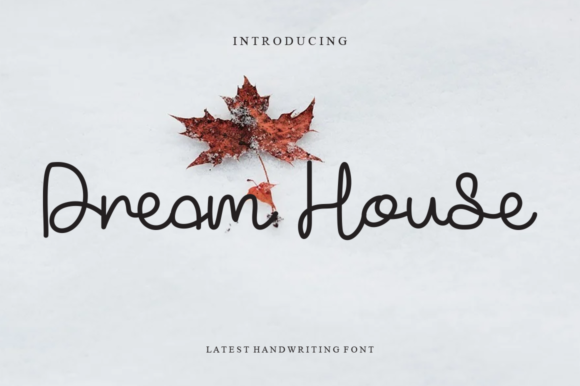
There’s something special about the moment you choose a font that feels just right. It's like finding the perfect shade of blue for a header or the ideal texture for a magazine cover. Recently, I was redesigning a lifestyle blog and found myself drawn to Dream House, a unique and elegant handwritten font from Script Amp. Its soft curves and rhythmic flow brought an unexpected warmth to the layout, making it feel more personal and inviting.
The Character of Dream House
Dream House is not your typical script font. It carries a quiet confidence, with each letter shaped as if written by hand—deliberate, yet fluid. The visual character of this font has a gentle rhythm, almost like a whisper in a room full of voices. It’s the kind of typeface that doesn’t demand attention but holds it effortlessly. The personality of Dream House is warm, approachable, and subtly artistic, which makes it incredibly versatile for editorial design.
I tested it on a variety of layouts: a blog header, an ebook title page, and even a pull quote for a feature article. In every case, it added a layer of elegance without overpowering the content. It’s particularly well-suited for titles and section headings where a touch of personality can elevate the reading experience.
Real-World Applications of Dream House
In my latest project—a digital magazine focused on wellness and mindfulness—I used Dream House for the cover title and chapter openers. The font’s handwritten quality gave the publication a sense of authenticity and care, aligning perfectly with the brand’s message. For the body text, I paired it with a clean sans serif font to maintain readability while keeping the overall design cohesive.
Another instance where Dream House shone was in a printable planner I designed. Using it for the month headers and decorative accents added a personal touch that made the product feel more like a gift than a generic template. It also worked beautifully on a coaching workbook I created, where it helped set the tone for a more intimate and supportive learning environment.
For newsletter headers and social media graphics, Dream House provided a subtle but effective way to differentiate content sections. It didn’t distract from the message but instead enhanced the visual hierarchy, guiding the reader’s eye naturally through the content.
Readability and Practical Considerations
While Dream House excels in decorative and stylistic applications, it’s important to consider its use in long-form content. As a handwritten font, it works best for shorter texts such as headlines, pull quotes, and section titles. When using it for extended reading, I recommend pairing it with a highly readable serif or sans serif font to ensure clarity and comfort for the reader.
I tested Dream House across multiple formats—web, PDF, and print—and found it performed consistently well. On screen, the font remains legible even at smaller sizes, though I suggest avoiding very small text for prolonged reading sessions. In print, it maintains its elegance and adds a tactile quality that enhances the overall design.
When working with Dream House, I always check the included styles, alternates, ligatures, and weights to ensure it meets the needs of the project. The font supports a range of weights and includes alternate characters that add visual interest when needed. Additionally, verifying multilingual support and file formats is crucial before using it in commercial projects or digital downloads.
Font Pairing and Brand Identity
One of the joys of editorial design is experimenting with font pairings. Dream House pairs beautifully with a modern serif font like Caslon or a minimalist sans serif like Helvetica Neue. These combinations create a balanced contrast between decorative and functional elements, reinforcing the brand identity while maintaining visual harmony.
Using Dream House in branding materials, such as logos, packaging designs, or web banners, helps establish a consistent mood. Its presence signals a brand that values creativity, craftsmanship, and personal connection—qualities that resonate deeply with readers and customers alike.
Whether you're designing a wedding guide, recipe ebook, or digital magazine, Dream House offers a thoughtful and elegant solution that elevates the visual appeal of your work. Its ability to blend seamlessly into various editorial contexts makes it a valuable asset for any designer looking to enhance their content with a touch of personality and charm.